In 2026, the Marina Gisich Gallery will be presented at booth A29.
The formula of the fair — "weight + size + fragility = value" — sets a rigid coordinate system, where the value seems to be derived from the physical parameters of the object. However, the Marina Gisich Gallery, as part of the fifth edition of the fair |catalog|, suggests shifting the focus: value does not exist within the work, but between it and the viewer, between the artist and the institution.
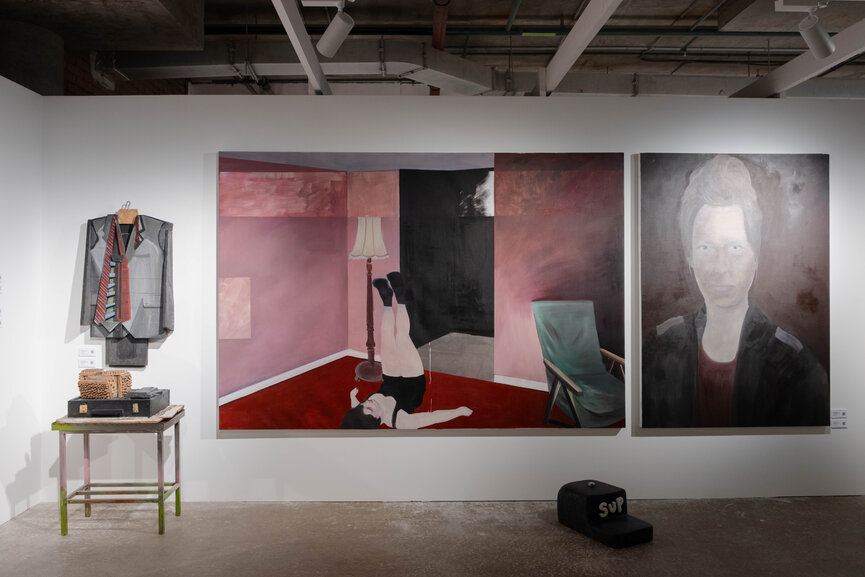
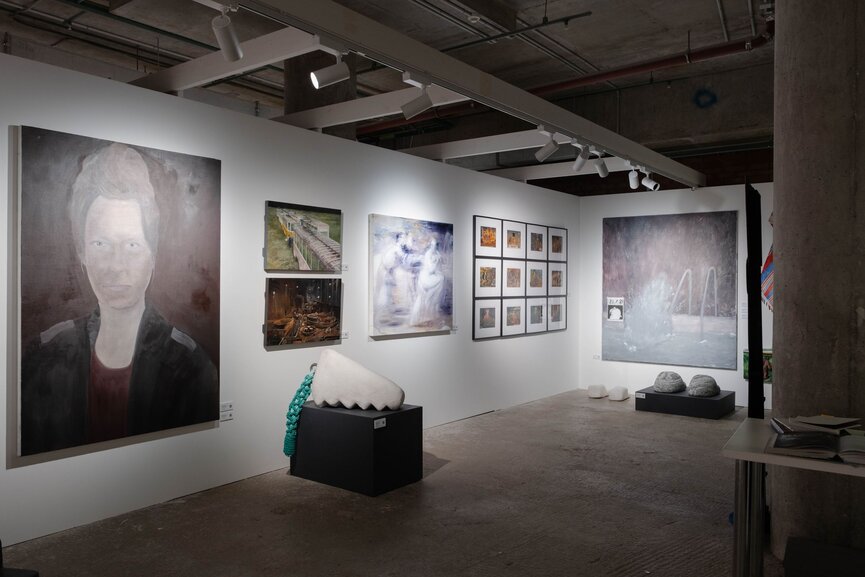
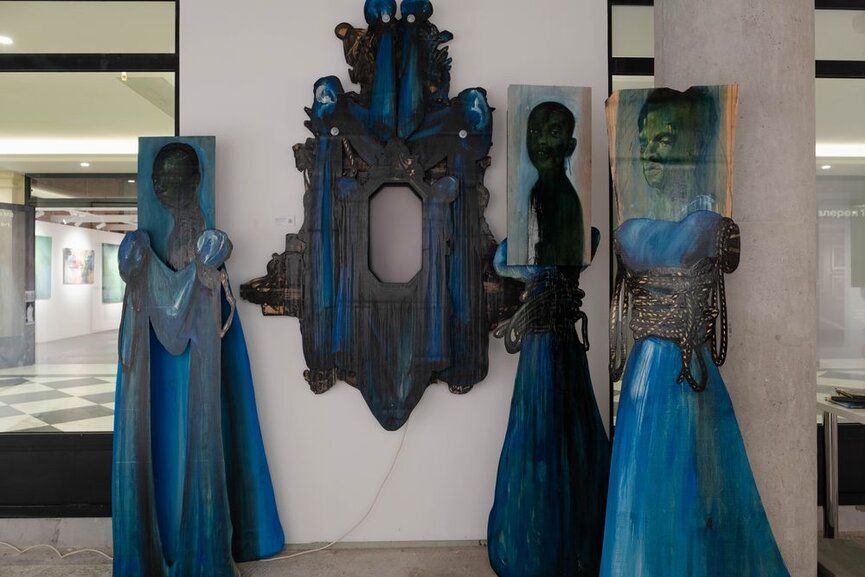
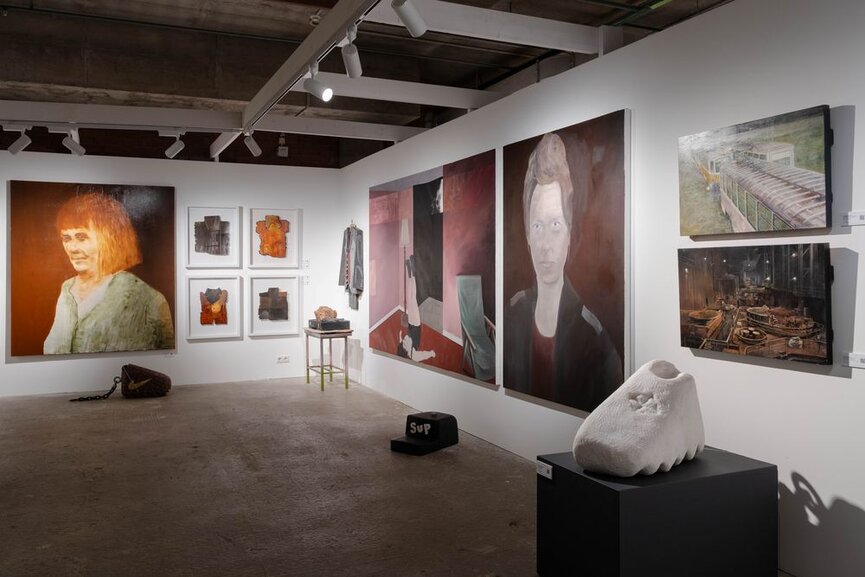
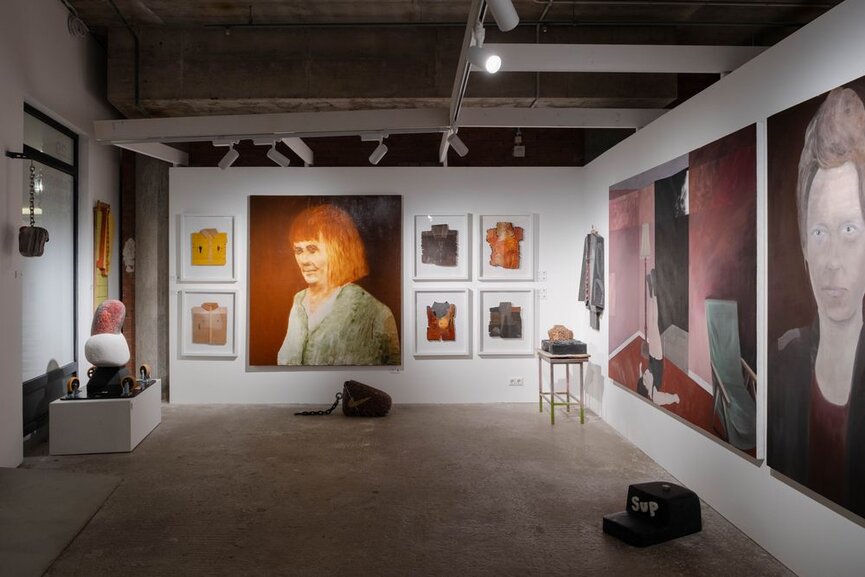
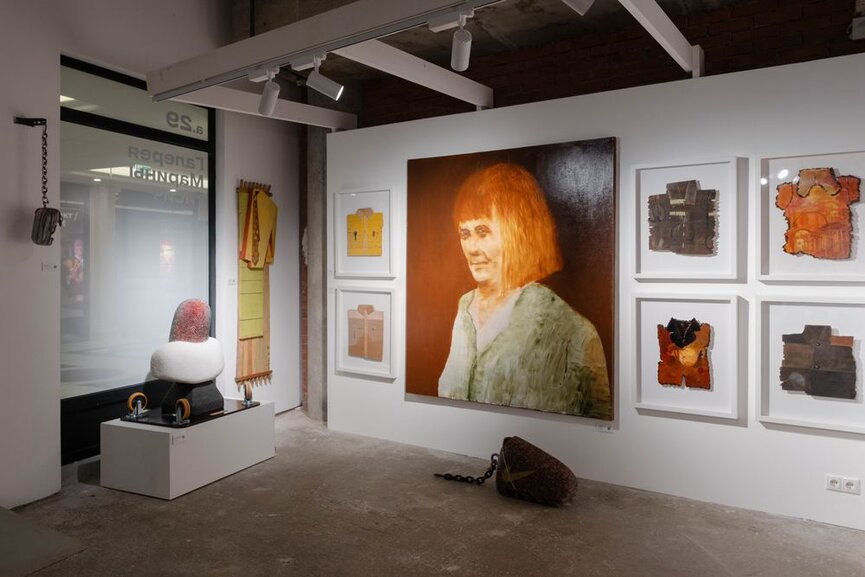
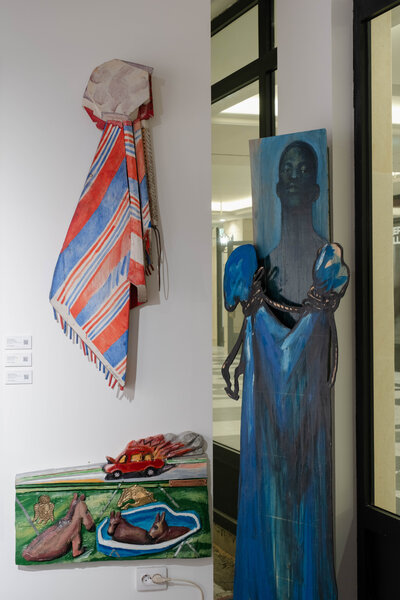
Our stand makes visible a usually hidden process: how the gallery "unpacks" the artist, building his image through exhibitions, residencies, books and dialogue with institutions. We show not just works, but a cross-section of the gallery's work as a value production machine, where theatricality turns out to be the main tool. The end—to-end theme of the stand is theatricalization. It manifests itself not only in the biographies of artists (set designers, theater designers), but also in the very approach to the exhibition. The stand is being built as a multi—layered stage, with Alexander Shishkin-Hokusai's "living machines" and Nikita Pirumov's "costumes" in the foreground. Behind the scenes — the material alchemy of Konstantin von Riben and the "secret underside" by Peter Shvetsov. The rehearsal hall is the philosophical quest of Alexander Morozov and the archaeology of the tree by Sergei Gorshkov and Dmitry Tsykalov. This structure allows us to talk about the nature of art as a continuous transition from the tangible to the intangible.
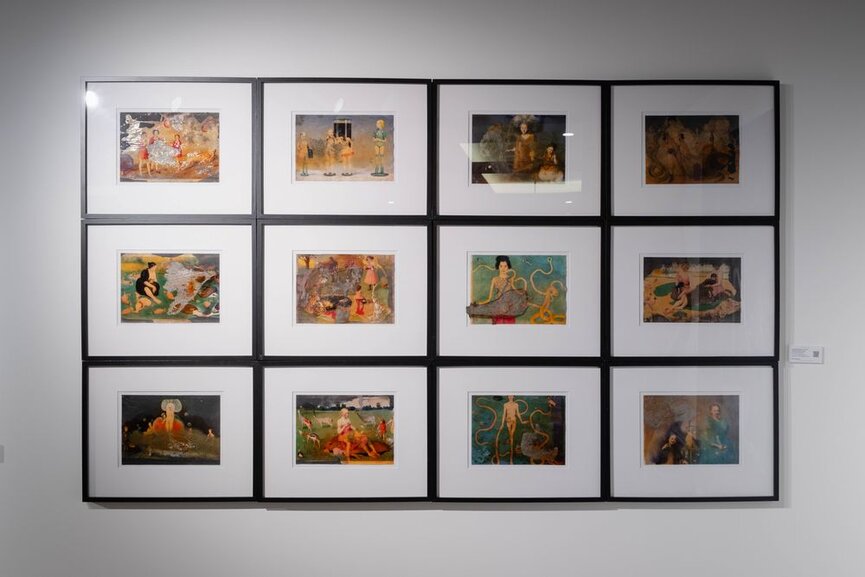
There are seven artists at the stand, whose practices converge on the theme of theatricalization, but each leads his own party. Alexander Shishkin-Hokusai, set designer and Golden Mask laureate, is represented by the Rabov Embankment project, created for the first time for the Russian pavilion of the Venice Biennale, complementing it with new AI graphics, where museum imagery collides with fluid digital matter. Nikita Pirumov, a graduate of the theater school, develops the method of "illustrative scenography": his works from the Costume Shop project and other series are picturesque decorations for non—existent performances that capture the anxiety of the transition age. Konstantin von Riben's Chronoalchemistry project combines granite, glass and plastic, turning time into material and creating an alternative history of things and images.
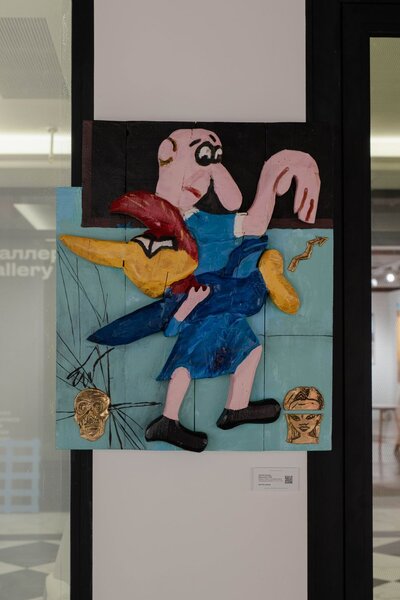
Peter Shvetsov, whose exhibition "No. 14" is on display at the Marina Gisich Gallery, is represented at the fair by the Natural History series, a bold painting experiment in which a maestro of brushstrokes and references to the techniques of the old masters serve as a disguise for playing with objectification and gender stereotypes. Alexander Morozov is represented by fine tempera paintings and objects that capture the boundaries of art, always maintaining a balance between precise calculation and the freedom to "dream with an open window." Dmitry Tsykalov, who has been living and working in Paris for the last twenty years, is shown rare works from the late 1980s and early 1990s created in Moscow, where virtuoso woodwork resisted prevailing conceptualism, asserting the value of plastic form. The exhibition ends with Sergey Gorshkov, a sculptor and art director of the H.L.A.M. Gallery, whose wooden reliefs, created as a homage to the work of his son, Ivan Gorshkov, grow out of the digital Internet stream and embody interest in the "impossible subject" - the transition of the material into the immaterial and vice versa, closing the circle of reflections on the nature of value..
Curator: Oksana Engelke