Проект «Одна хорошая вещь». 2011

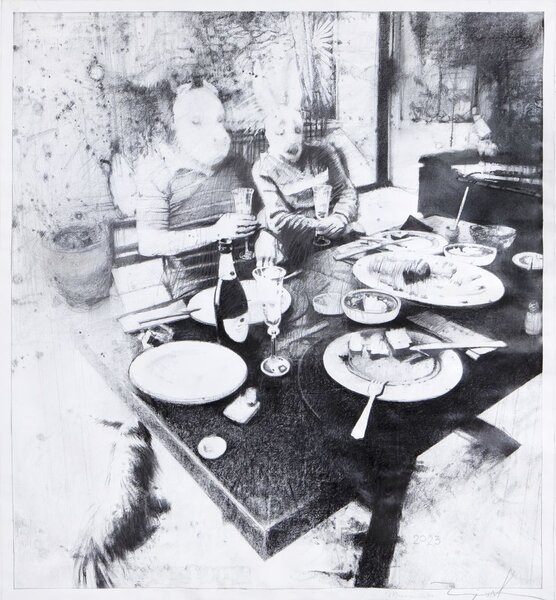
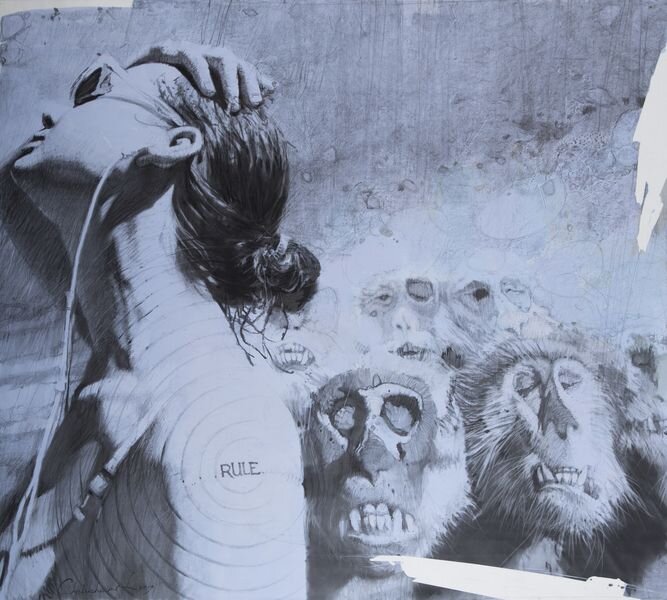
The exhibit One Good Thing is simple, almost primitive, structurally similar to a folk song, and all about whatever meets the eye. People, objects, and events, experienced personally or re-told by someone (even better if retold for the 10th time) or overheard somewhere. These are mainly things not worthy of the attention of a sophisticated and jaded viewer, let alone of in-depth examination. Nevertheless, like the picture itself, by current standards discipline is not required; it's optional, lacking its own individual place in the media pantheon. And, of course, it is powerless in assuming any sort of relevancy. It makes you want to stamp it with Viewing is optional.


These are separate works, obviously not connected by theme or scenario, each of which can be discussed separately. So how do they end up in the same exhibit, and why are they pulled together in a single space?


If we look more intently at the structure of the exhibit, we can try to sort out this misunderstanding.

GRAPHICS. 2011–2025

The language of art grows with edges, is renewed by the germination of sown marginalia. Chelushkin's proto-novel bases the anthropological, technocratic, and corporeal using memorable optics. Such an optical tuning system brings sharpness to the most decanonized and therefore free images, motifs and mise-en-scenes, replenishing the world of the author's depository. The poetics of non–recognition changes the inertia of our gaze, knocks down value polarization, and cancels the hierarchy of meaningful-accidental. To sharpen an object that the draftsman needs means to master the mechanism of the viewer's attention, such a function in the film process is performed by a focus puller, or magician. Based on the point at which the focus was focused and mentally finding the source of focus, we discover the artist's position. The intentionality of such a search sets the direction of the unpainted painting, pushes towards unrecognized spaces behind the white fields of existing drawings, which turned out to be accessible to the viewer and therefore were designated the main objects of attention. But they are also marginal in relation to the invisible meaning lying in the blind spot. Kirill Chelushkin is so consistently and reliably building up the map of our world at the edges that its center is already noticeably shifting.


Anton Ouspensky