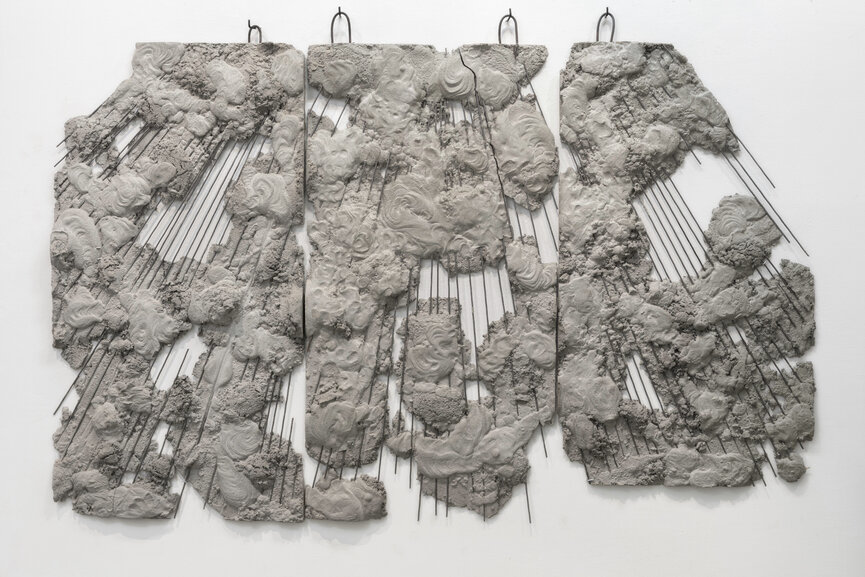
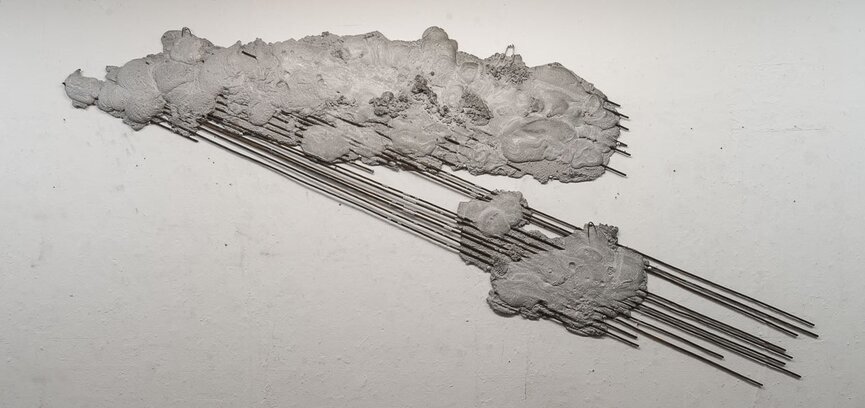
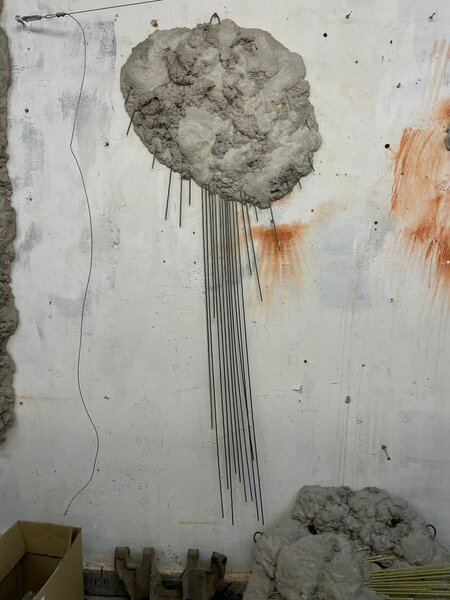
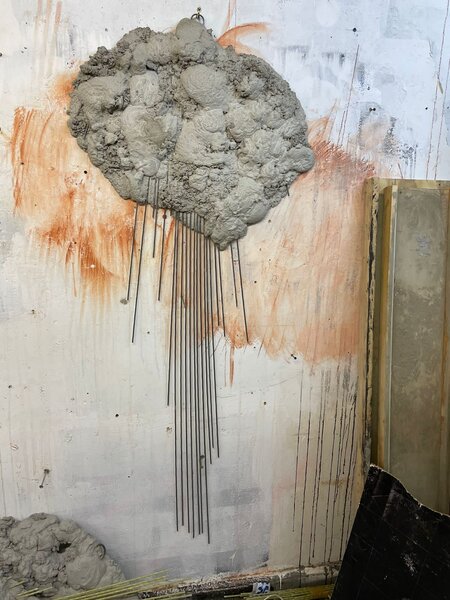
OBSCURE LIGHT. 2008.
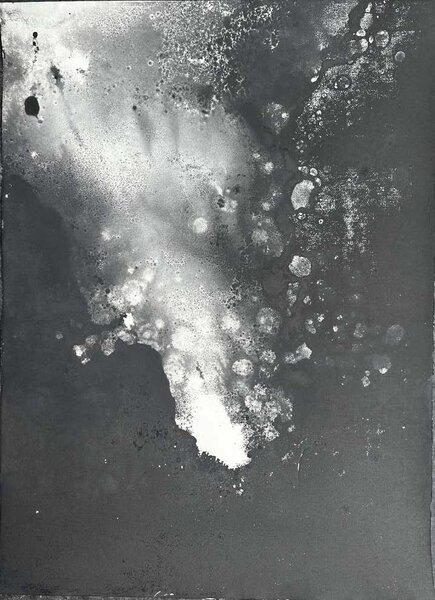
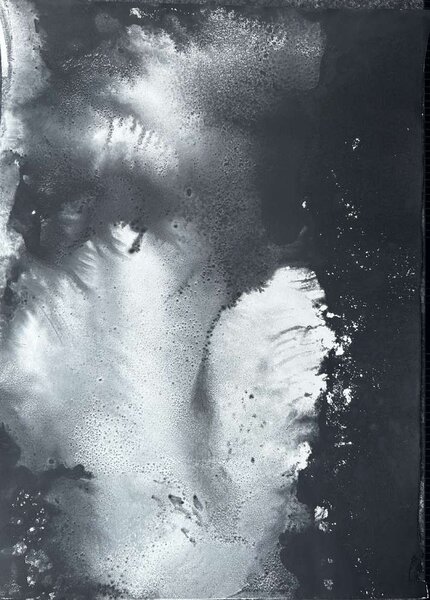
RETURN TO PAINTING. 2021.
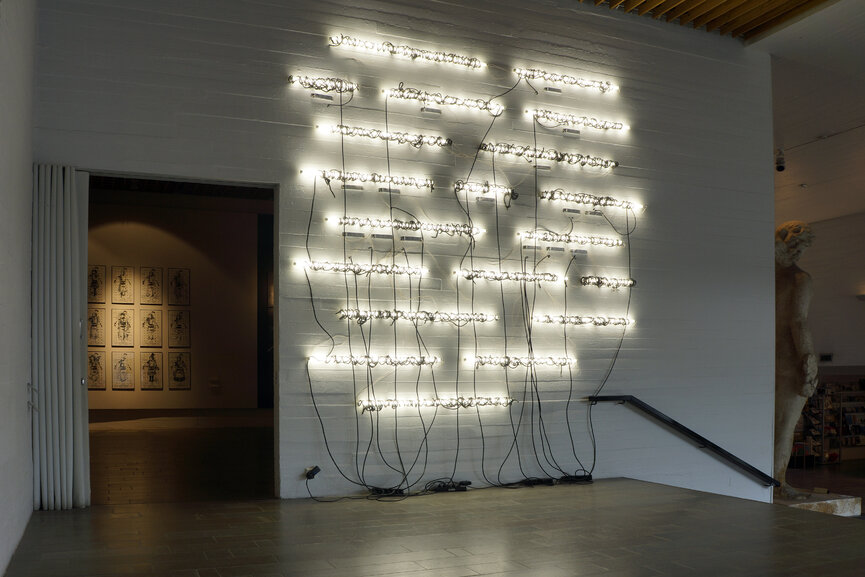
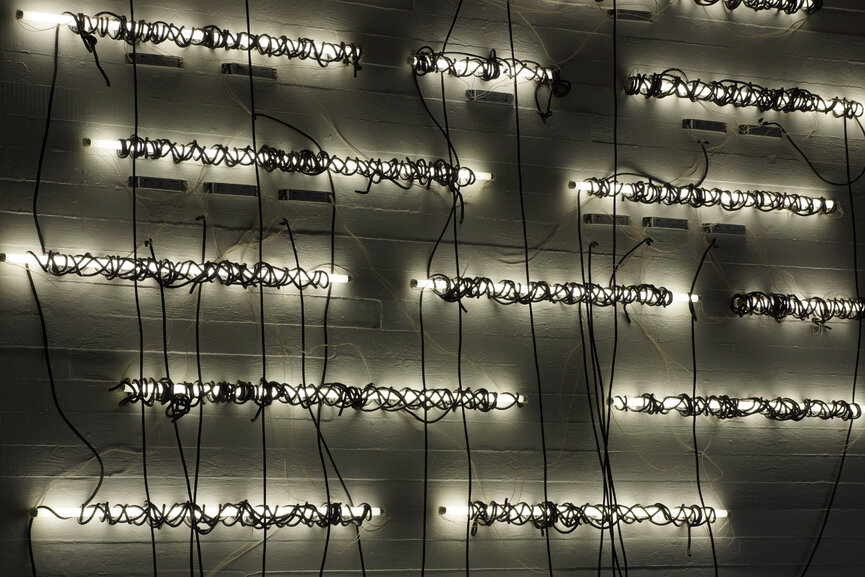
Installation RETURN TO PAINTING.
Self-reflection, art about art, is an enduring genre. Its ontological features, as well as one's desire to understand what it means, is an endless conversation.
From the very beginning, the author's conception, an attempt to describe a story about a cloud of images, a cloud of time, failed miserably. The idea of a detailed personal narrative generally contradicted the general line of the artist, who preferred a laconic and detached language. In the end, this was also the case this time - the exposition, or rather its absence, is somewhat reminiscent of Sorokin's story Horse Soup, where the imaginary food became gradually more real for the protagonist than the real thing.
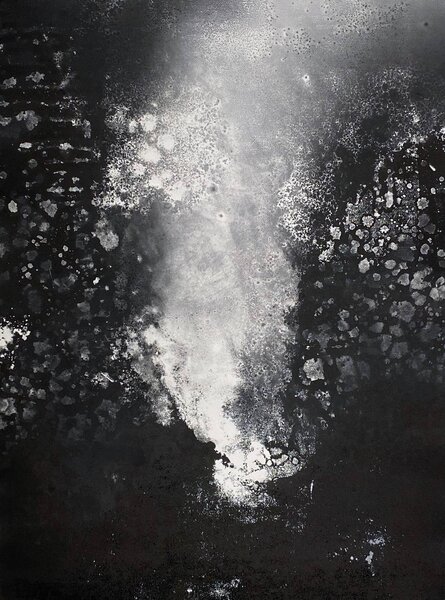
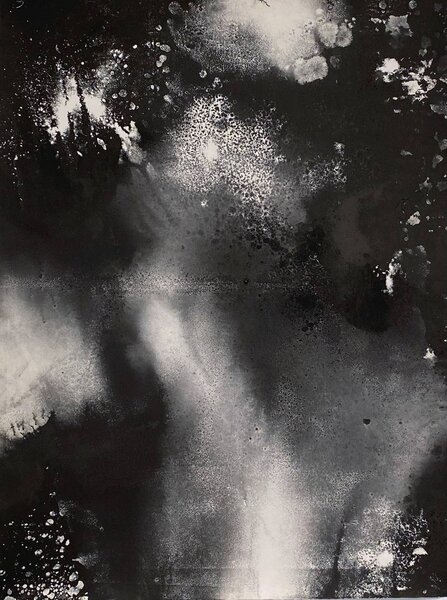
The appeal to classical art, a fractured rod or spine, is present as a deconstruction of the universal religious subject (concrete glow), and the empty frames on the wall, like ghosts of the past, stare at the viewer with blind eyes - partly asking if he sees in them the disappeared subjects. Such a game, art has outgrown the frame, is not a new theme (the paintings will be brought tomorrow), but an important one. Where has art escaped to and when will it return to where it should be?
The modern viewer is ready to meet art anywhere, so the artist's return to tradition is a logical step. The right turn, the return to the painting, as if making a modernist somersault, makes this exhibition a jubilee in meaning. The state of the author, who has moved away from youthful experimentation and returned to the classics, is perhaps the only biographical moment preserved.